


In many circumstances, when compared to traditional home delivery, using lockers may cost just over half as much. How does this happen?
In this article, we seek to identify the impact of lockers’ unique features in distribution and review how transformative locker adoption will be to different sectors. We provide up-to-date information on the locker system, examples, and data to explain how these economics work.
We look beyond the numbers. In the case of parcel lockers, customer behavior, preferences and overall experience, as well as environmental concerns, aligning very consistently with economic interests and leveraging even further its potential.
This assessment is confirmed in a recent study by the World Economic Forum named “The Future of the Last-Mile Ecosystem,” where parcel lockers are shown to be a key factor (out of 24) for the competitive dynamics of the last-mile.
So, let’s take a look and see how locker-based distribution will help to shape the future of the last-mile and understand why lockers are a fundamental part of the supply chain of the future!
Understanding the Current Situation
First and foremost, last-mile delivery is both the most expensive and time-consuming part of the shipping process. It is also key to customer experience. To illustrate how the economics of last-mile distribution work, let’s review one recent example.
In March 2021 Walmart introduced a $10 Express Delivery Fee to Walmart+, (for those who pay a monthly membership fee of $12,95 a month or $98 per year) without any minimum order requirement. Regular orders still carry a $35 minimum order and when delivered to a customer’s door carry a delivery fee of $7.95 or $9.95.
By reviewing these conditions, it may be understood that around the $10 threshold is the minimum they can spend on delivery and possibly break even.
Considering that last-mile delivery may account for roughly 50% of order fulfilment costs (the widely accepted standard), we may assume that, on average, about $5 will be spent on the last mile (for this US example).
In many circumstances, when compared to traditional home delivery, using lockers may cost just over half as much. But how does this happen?
Locker System: Solution for Last-Mile Costs
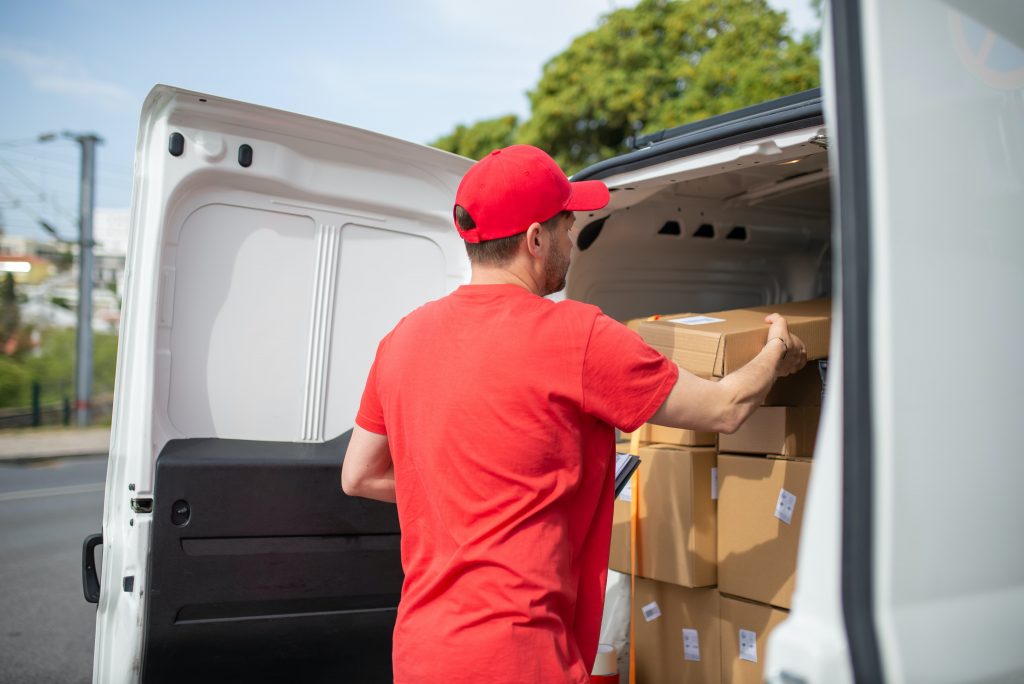
For regular to-door delivery, the most important costs drivers in the last-mile delivery are salaries, fuel, fleet (acquisition, maintenance, insurance, etc.), IT, and other miscellaneous costs.
The breakdown of costs amongst these cost drivers varies widely depending on a number of factors such as size, weight, location – urban/rural and delivery speed, just to name a few.
The following illustration intends to point out the difference in terms of marginal cost per delivery but also to show how remarkable is the cost structure between to-door and smart locker delivery.
The final goal is to reinforce how strongly advisable it is for companies to keep guard of these businesses’ tech trends and become digital even when it comes to deliveries.
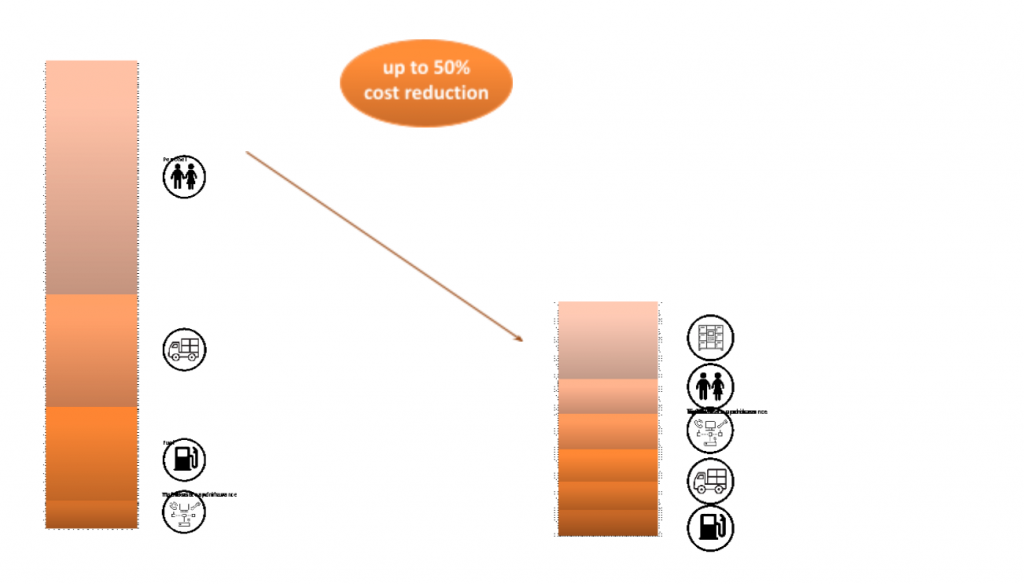
Lockers, despite adding another cost layer to this process (the costs related to the parcel lockers), are able to reduce overall costs significantly, as they operate with a very different cost structure.
This extra cost is largely offset by productivity gains that are achieved by lockers through its consolidation, capacity and scale unique features.
As stated, lockernomics works its first economic miracle through consolidation, as the productivity gains in terms of parcels distributed per postman per shift may reach up to 10 times more than to-door delivery (5).
Placing lockers at convenient, busy and accessible locations, allows for more efficient route optimization on one hand, and also prevents carrying out deliveries to more restricted places where traffic congestions lower delivery speeds considerably.
As the distance covered to deliver parcels decreases, costs are brought down even further. Finally, consolidation also considerably reduces courier and vehicle idle times, as well as practically eliminates failed deliveries, which account for around 5% of delivery costs.
Analyzing Positive Externalities In the Last-Mile
Externalities are present when the activity of one entity (person or firm) directly affects the welfare of another without that economic impact being either charged or paid to the producer, depending on whether the side effects are negative or positive, respectively.
Externalities are especially important because, in their presence, resources are likely to be misallocated, and, if left alone, the market produces a lesser quantity that is socially desirable, or in reverse, a higher quantity of a socially undesirable effect.
Distribution as a whole and last-mile distribution in particular which is the most inefficient, costly, and to date, the most pollutant part of the entire supply chain are especially sensitive in this regard as we shall see.
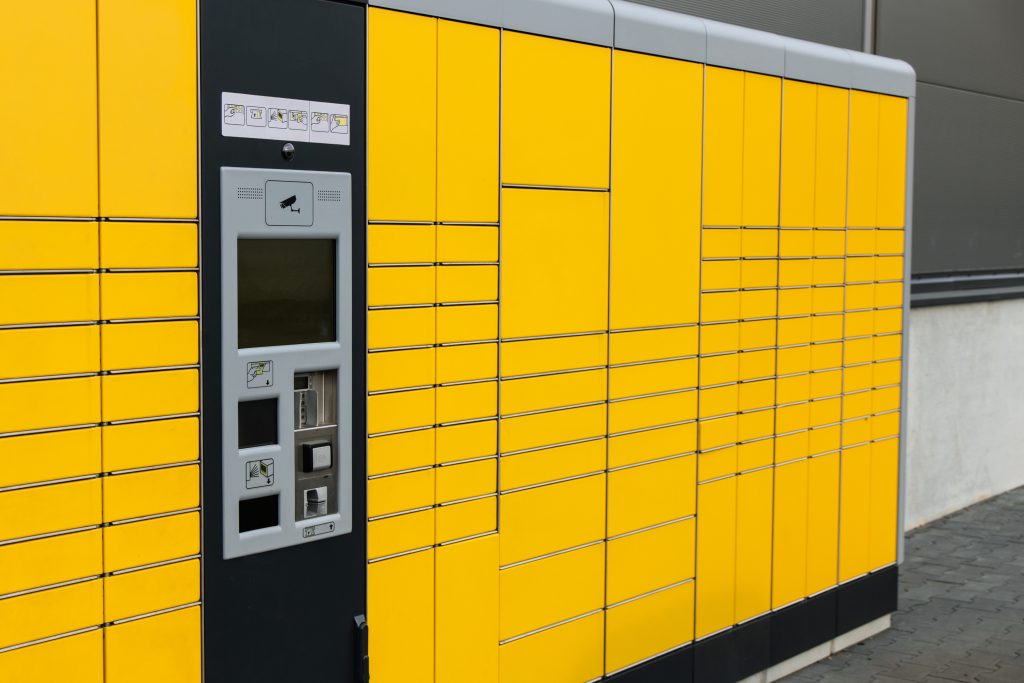
Lockers cause positive externalities by being accessible and placed at convenient, close-by locations, and because they demand customer involvement in providing the service.
Although providing a contactless experience, lockers usually require the customers to walk or bike towards them thus improving the customers’ health, and habits and making it a more sustainable option.
This habit also reduces congestion and motivates double-tasking, whereby the customer takes the chance of the stroll to the locker to deal with other affairs, visit other spaces, or interact with other people.
Lockers also enable a collaborative and cooperative urban logistics model that will help foster the growing C2C market that signals the advent of the sharing economy.
In Vienna, the adoption of Community Parcel Boxes for deliveries, just as is the case of Singapore, signals how innovations in public policies and infrastructures are being thought of and planned to make use of lockers and technology.
Finally, smart lockers are also important tools to generate awareness and understanding of the “green” impacts of delivery choice, as they provide the best alternative in this regard as well.
To wrap up, last-mile distribution and logistics, in general, bear numerous side effects that are unaccounted for by market forces, legislation, or public policy. These externalities are mostly noticeable in air quality and carbon emissions, traffic congestion, waste creation, as well as some other less evident ones.
Smart lockers contribute to mitigating these unfortunate consequences and also help foster the more benign effects of this activity.
Consequently, legislation, regulation, and general public awareness are now contributing to the swifter introduction of restrictions to moderate the externalities caused by last-mile distribution, and to a great extent, the synergetic consolidation effect of lockers has been recognized and is, therefore, to become part of the future smart infrastructure of the urban landscape; thereby, helping to achieve decarbonization targets.
Analyzing Negative Externalities on the Last-Mile
With rising logistics needs due to soaring e-commerce growth, the negative externalities of distribution became ever more visible. Air quality and carbon emissions, traffic congestion, health problems, waste, and yet other side effects are rightfully pointed out as being consequences of consumer choices.
Air Quality and Carbon Emissions
Globally, products continue to be sourced from wherever they tend to be available and cheap, requiring transport to be performed by air or sea, which are almost 100% reliant on fossil fuels.
On the other hand, emissions from delivery traffic are expected to increase by 32% , driven by demand, despite new policy proposals in the ongoing global pursuit of net-zero carbon emissions.
Congestion
In a similar way to air quality and carbon emissions, but perhaps more difficult to sort out is congestion.
Timely deliveries are crucial for the success of last-mile distribution as customers are expecting their goods to be received according to the expected delivery window and also demand shorter delivery times from their suppliers (same-day or even instant delivery within half an hour or less).
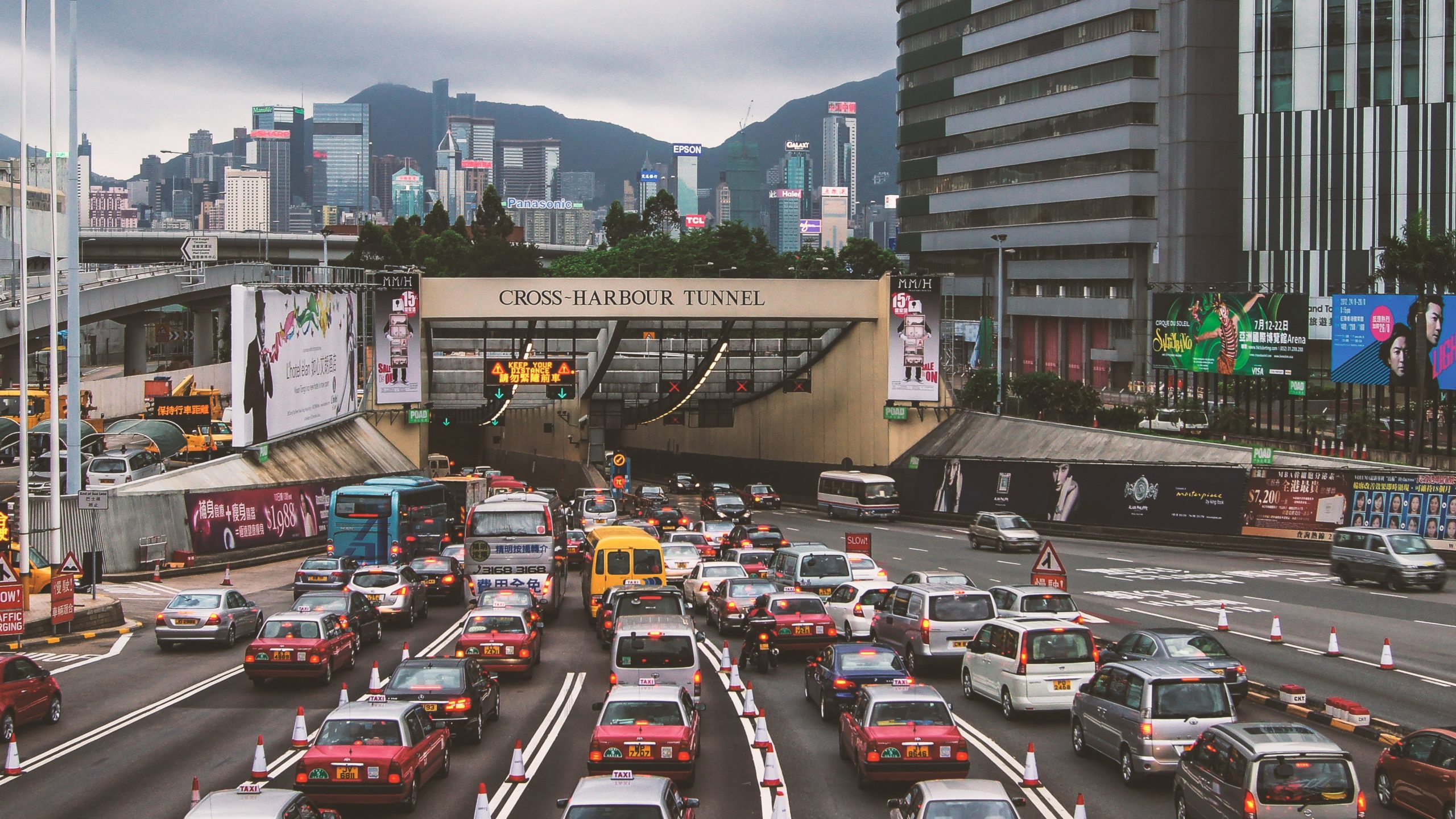
Increased demand, coupled with these additional requirements, creates more urban traffic that exacerbates congestion problems, with vans now representing 15% of all motor vehicle traffic. This pressure on last-mile fulfilment means that vans cannot avoid peak hours of traffic flow, thus contributing to aggravating the situation.
Inner-city delivery is moreover characterized by underutilized transport capacity along with a large number of stops and obstructing lanes through double parking in difficult-to-park zones’ thus, contributing to further congestion.
Waste and Other Side Effects
But externalities related to last-mile distribution also extend to increased noise, waste (mostly from single-use packaging), and the erosion of community life contributing to less livable urban environments.
Mitigating Negative Externalities With Lockers
To mitigate negative externalities, Governments may act through public policies that regulate player’s behaviors, or by the introduction of taxation, or by special permits to offset the undesirable effects.
One good example is the overhaul of entire fleets to electric vans to reduce emissions, or the adoption of smaller electric vehicles (electric cargo vehicles and bikes, electric bicycles, and electric scooters) that reduces both congestion and emissions while maintaining high service levels when used for urban deliveries, are currently being adopted in many cities across Europe.
A second example is the autonomous robots that are already in use for parcel delivery as drones may soon also be useful in certain segments.
Other solutions are being tried out to improve the logistics processes and hence reduce the externalities impacts of distribution, such as: optimizing warehouse handling system with digitalization, automatization, and robotization, using sustainably generated electricity and hydrogen fuel cells for trucks or forklifts, or by making use of Urban Consolidation Centers (UCC) and implementing advanced real-time routing software in order to improve efficiency, are all seeing increased use.
On the other hand, local authorities in an increasing number of cities are imposing ever tighter traffic restrictions, including in some cases prohibition of delivery van circulation to improve quality of air, but also the quality of life of the residents and visitors.
Parcel lockers, while making use of all the above mitigating factors go even further as they can improve on both the economic and the unaccounted side-effects in the same manner.
Even by using combustion engine-powered vans, the reduction in emissions of parcel locker delivery would yield a more than twenty-fold decrease in emissions when compared to home delivery (2).
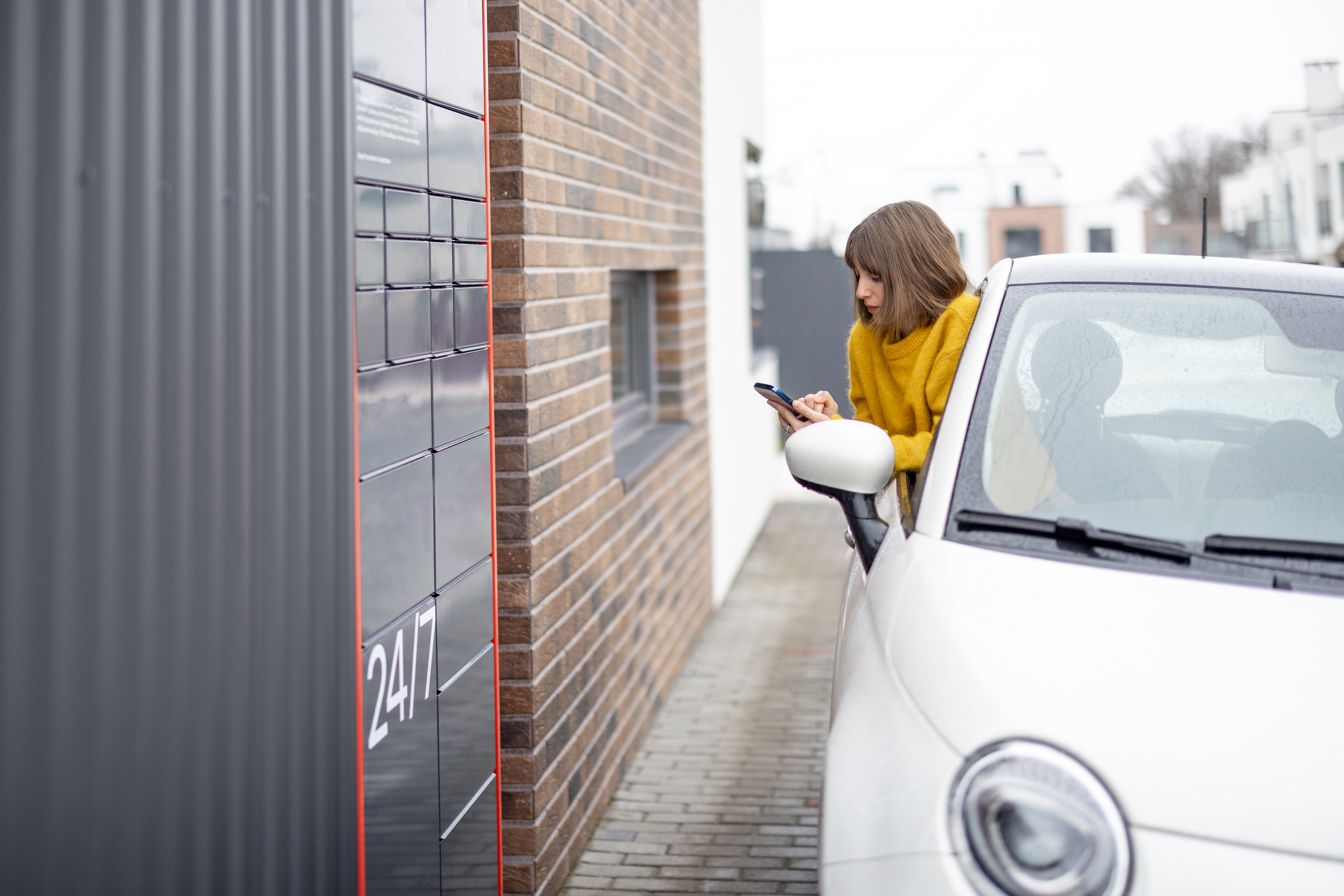
Smart lockers tend to be placed in strategic sites where access by delivery vans has been properly accounted for, and, besides the major consolidation effect help bring congestion to more manageable levels also by allowing deliveries to be spread over 24 hours and 7 days while reducing the number of km
The Benefits of Using Smart Locker Systems
Package Locker Price
One of the deciding factors for customers when choosing the delivery method is price. While many customers choose package lockers solely due to this reason, all others also perceive the price as important and judge it against the value they are receiving in return for it.
Subscription services are now available in an increasing number of geographies, along with free delivery. In these cases, price becomes less important in terms of customer perception and lockers mostly tend to differentiate from the alternatives in terms of other attributes.
Nevertheless, cost concerns remain of the utmost importance for logistics operators and eCommerce players, but especially to the customers if they need to support it.
Package Locker Reliability
Customer experience in parcel distribution has a lot to do with managing customer expectations and anxiety being this attribute in many cases more important than speed of delivery. By depending mostly on technology rather than on human interaction to provide the last quarter-mile stretch, package lockers increase overall network and systems reliability.
When comparing lockers with to-door delivery, the metrics make it clear. The average success rate for a first delivery attempt is only around 90%, compared to package lockers that provide almost 100% successful deliveries.
Lockers are available 24/7 and allow for delivery and access capability in contrast to just around a 12-hour delivery window provided by to-door couriers.
Smart lockers are also a real-time saver as clients can be certain there will be no queues or time lost for parcel retrievals or returns. They also provide more reliable up-to-date information regarding the service, in addition to offering more consistency of delivery within the requested time frame.
But clients truly come across one of the most important reliability factors provided by lockers during peak periods.
When network capacity is pushed to the limit and to-door delivery fails, lockers prove their worth by giving clients the consistency they expect. By not depending (as much) on the number of vans and manpower available, and by educating customers to retrieve their parcels in the shortest time frame possible.
Locker capacity can be greatly leveraged with little investment, providing a more scalable delivery solution.
Package Locker Convenience
When talking about convenience in terms of any retail business or service, location is the first idea that comes to mind, and rightfully so!
Concerning parcel lockers, this is also paramount, with a recent study in a European country concluding that location is the most important factor when choosing a parcel service provider, outweighing the delivery time and price of the service for about 45% of respondents.
But how come location plays such an important role in terms of convenience concerning the package locker distribution model?
#1 Distance
Maximum distance to a locker is a fundamental benchmark for convenience.
Being able to provide a dense locker network that places clients in proximity of up to 400 meters or 5 min walking distance, is thus imperative. In this regard, package lockers can only match to-door parcel delivery by being located at the client’s premises.
This solution is already being attempted in condominiums and new upscale apartment buildings where this type of convenience is valued as an important amenity to its residents.
This solution can furthermore allow for proximity services such as laundering, groceries to be received, or even be used for storing and sharing personal items.
#2 Location
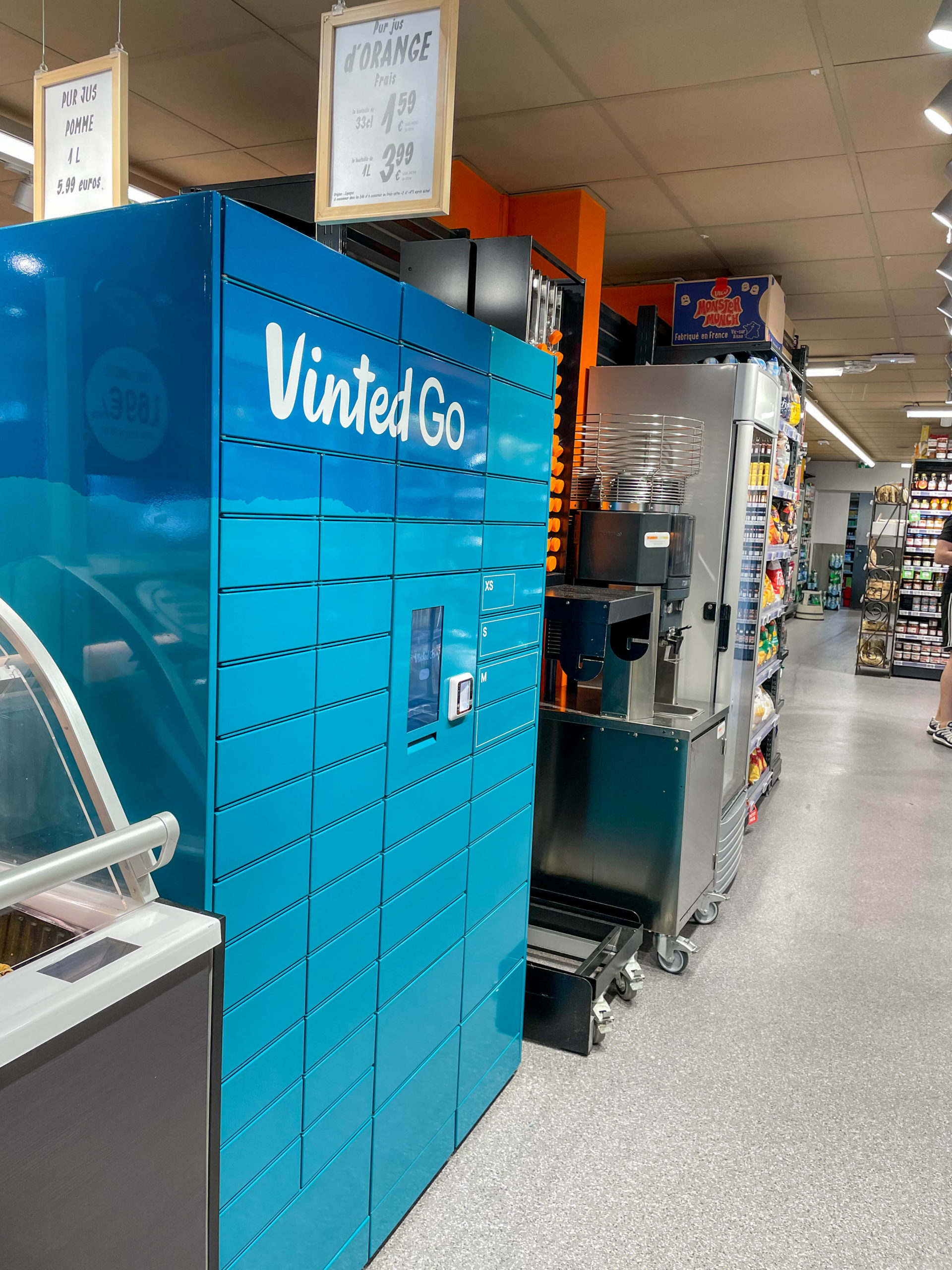
Besides distance, location is also important in terms of the best sites where to place the lockers, especially if they are en route or at specific locations. Supermarket stores, shopping centers, and (public) transport hubs offer the best potential, but office buildings, retail stores, Universities, curbside, parking garages, and gas stations also provide feasible alternatives.
#3 Access
In addition to the above, the ability to offer proper visibility and access to the locker, within a secure environment, preferably with easy or available parking with yet again 24/7 availability, are further enhancements that are valued by customers.
Convenience is further enhanced through the provision of services through a customer-centric easy to use interface.
It is also sustained through in-depth use of IoT, mobile, and cloud technology that provides package lockers the ability to render value-added services such as the ability to reroute the package to other locations, delay delivery, no labeling requirement to send parcels, but most importantly the ability to send returns effortlessly as these account for around 25% for items bought online.
Finally, convenience is also guaranteed by the contactless experience and the absence of the need to find other alternative solutions if there is no one at the requested delivery site to receive the parcel, as well as the short delivery time they provide if properly managed by logistics operators.
Customer experience is mostly about emotions, feelings, perceptions, and cognitive evaluations, and these affect the assessment of quality and value received by customers when buying a product or service.
By providing a low-cost, highly reliable, convenient, and flexible delivery option, lockers offer an outstanding service.
Customer preference is confirmed by the satisfaction ratings, as several surveys and studies attest parcel lockers as showing the highest Net Promoter Score (NPS) when compared to the other alternatives.
Scalability
Lockernomics allows for significant scale benefits to be achieved. The more smart lockers are added to the network, and the higher the usage frequency, the more benefits are generated through increased efficiency of the operation.
Smart locker density and customer preference are thus essential to be able to collect on these additional gains.
What’s Next for the Locker Systems Industry?
In conclusion, as in most geographies, eCommerce continues to show a clear growth stance, the last-mile equation using the traditional to-door delivery model is not sustainable.
The obligation to cope with this immense growth in delivery capacity on par with the need for greener and friendlier alternatives, without prejudicing the clients’ experience mandates that new alternatives gain centre stage.
Lockers were this year’s Ecommerce Awards winners for innovation in e-commerce delivery, logistics and fulfilment, having emerged as the new high-capacity consolidators that allow for the continued growth in volumes to be handled.
How Can Bloq.it Help You and Your Business?
At Bloq.it we are at the forefront of locker systems integration and development, besides providing our own lockers custom-made for several uses.
Our solutions are already being used by many companies that have already proven their worth across several European countries.
Want to discuss more how Bloq.it can help you and your business? Reach out to know more about our Smart Lockers solutions.
Content written by Miguel Neves.