


In this article, we will explore the extensive topic of eCommerce returns.
In this first section, you can expect an introduction of the return scenario in general, backed up with research figures from big players in this matter.
In the second part of this blog, we will look into a real eCommerce returns case from the giant retailer Inditex.
The intention is to show how eCommerce returns policies are changing in this post-covid era.
To sum it up, I will share with you some personal conclusions.

Customer return behavior is difficult to predict even under normal circumstances, and COVID19 has made it more challenging and dynamic.
US$761 billion. That is the worth of returned goods in 2021 spent by consumers in the United States alone. Almost a 100% increase in comparison with 2020.
But, to look for solutions, we need to spot the causes, so let’s dive into what makes people request returns more than ever.
Why do people return items?
High return rates directly affect companies’ profit margins. If we combine this issue with the increase in fuel, materials, and other supply chain costs, losses are too significant for companies to handle.
Let’s explore some figures below to understand the most recurrent eCommerce returns scenarios.
1) Reasons: There are many reasons for what customers might do a return. According to Shopify’s research, the #1 reason (+50%) for people to return online items is the size, either too small or too large.
2) E-commerce vs. brick and mortar: Based on invespcro eCommerce research, there is a 30% return rate compared to only 8.9% for purchases made at brick-and-mortar retail stores.
3) Most returned items Category: Auto parts returns are leading the list with a 19% return rate, followed by apparel retailers with a 12%, and home improvement and houseware brands with an 11%.
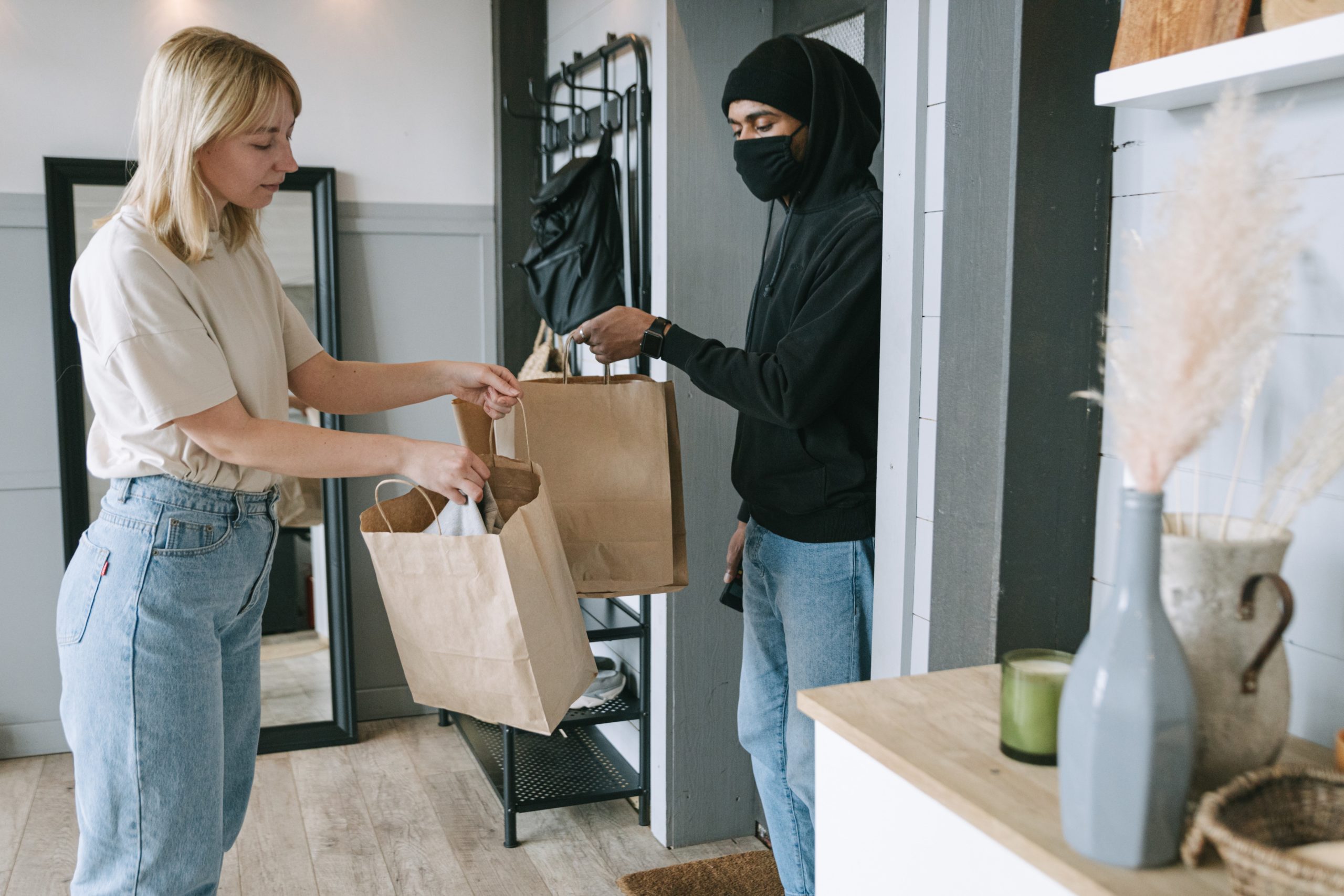
Ecommerce returns were aggravated by the Pandemic
Pandemic restrictions changed people’s purchase habits from one day to the other. Customers could not try clothes on themselves, so they decided to buy 3+ different sizes just to be sure, try them at home, pick one and return the rest.
This unnecessary overconsumption changed the return game, more items needed to be returned, harming the return operations. Naturally, new return policies took place.
But it is not all bad news. We have to see both sides of the coin here. On one side, we know customers do not feel any responsibility; they know they can get their money back just as quickly as they spend it.
On the other side, thanks to these flexible eCommerce returns policies, customers can shop more confidently and spend even more, which can be a competitive advantage for brands to use in their favor.

New emerging eCommerce return policies.
A new eCommerce returns policy and solutions have been introduced by Inditex’s Zara.
The company announced in May that U.K. customers will now be charged 1.95 pounds, or about $2.45, for customers to return online purchases to third-party drop-off points. However, customers still have the option to return online purchases at any Zara store in the U.K. free of charge.
Charging customers is always an option, but it might decrease overall customer satisfaction, resulting in customers buying elsewhere.
Benefits of Ecommerce returns to store
Shoppers are more likely to shop online if they can return items to a physical store. The returned goods can be inspected and, in most cases, put back on the shelf. Also, this entices customers to shop more when they are already in the store, which helps with cross-selling.
Long-term it creates trust with a specific brand for customers’ future online and offline purchase decisions.
42% percent of consumers say a negative return experience led them to never shop with that specific retailer again. On the flip side, 97% were more likely to shop with that retailer after a positive returns experience.
Ecommerce Returns personal Insights
After blending all this information together, I want to highlight the two possible impacts of this new “charging customers or return to store” solution imposed by Zara UK before jumping to my final conclusion:
1) It could either decrease customer satisfaction leading to a decrease in online sales due to customers buying from other competitors or
2) It will create a domino effect across the fashion industry, and other brands and customers will slowly need to adapt.
The return process is complicated. Reverse logistics always are.
I believe that one of the ways to optimize the whole operation is to decrease spending instead of just charging the customers directly, as ZARA did.
I dare to say that with the increased demand in eCommerce other brands will adapt, and customers will adapt to these new eCommerce returns dynamics and become more careful and strategic about their buying decisions.
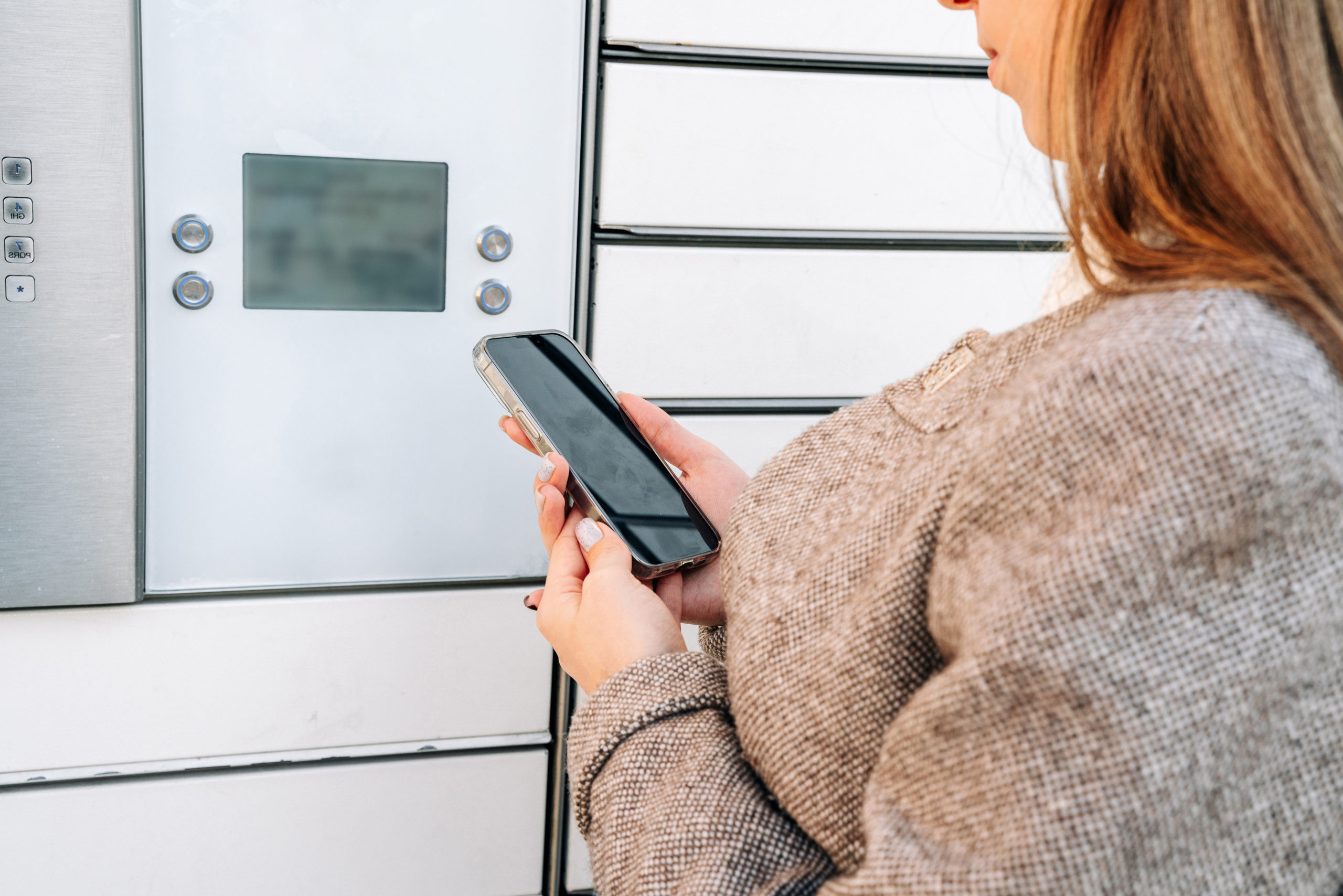
Alternative Solutions for Ecommerce Returns
It’s not all black and white; there are middle solutions we can benefit from, like Smart Lockers.
Smart Locker software technology offers multi usability purposes and can help automate the return process while decreasing operational costs.
Aside from returns, lockers can also enhance Click and Collect, so customers can directly pick up their online orders.
The labor cost for a return via a smart locker is almost negligible. It is easy to operate, fast and efficient, and this can be confirmed with El Corte Ingles retailer use case. This giant retailer managed to reduce its operational costs by implementing Parcel Lockers.
How can Bloq.it Help Businesses Improve Their Ecommerce Returns Operations?
At Bloq.it we provide parcel lockers with integrated API software, turning smart lockers into the perfect fit for eCommerce platforms to offer a much cheaper delivery alternative to clients and an optimized option for reverse logistics to carry faster and more affordable returns.
To know more about all the solutions we offer, reach out to one of our specialists or connect with us on Linkedin.